
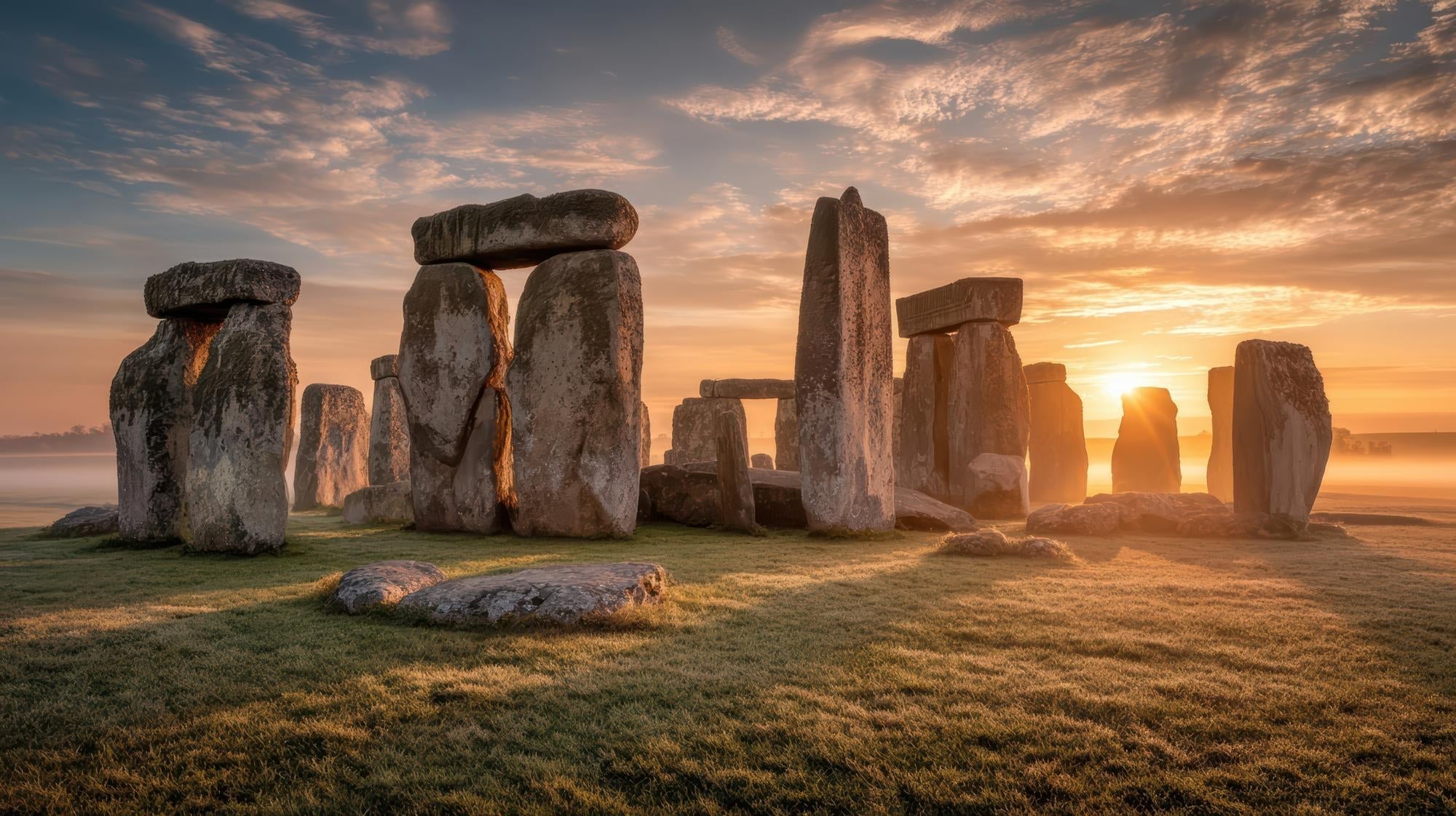
Quick answer: The UK is home to some of the world's most accessible historical sites, many of which are connected by scenic motorcycle routes. From Hadrian's Wall in the north to Stonehenge on Salisbury Plain, two wheels offer a flexible and immersive way to explore British heritage. Proper CE-approved protective gear is essential for long-distance heritage touring.
Arriving at an ancient site on a motorcycle is something no tour bus can replicate. You feel the landscape shift beneath you. The temperature drops as you drop into a valley. You catch the smell of moorland before the ruins ever come into view. That sensory connection to the journey is exactly why more riders are turning their weekend routes into genuine heritage adventures.
The UK is almost absurdly rich in history. Roman roads still underpin modern A-roads. Medieval castle walls rise out of Welsh hillsides. Industrial-age viaducts span northern valleys. All of it is out there, waiting. And on a motorcycle, you can follow threads of history that a car simply cannot reach with the same freedom.

That freedom, of course, comes with responsibility. Long days in the saddle across unfamiliar terrain demand the right protective gear. Before we get to the routes, it is worth understanding what a heritage motorcycle tour actually involves, and how to prepare for one properly.
Why Is Motorcycle Heritage Tourism Growing in the UK?
Motorcyclists have always been explorers by nature. But heritage tourism on two wheels has grown considerably as more experienced riders look for purposeful journeys rather than simply clocking miles. A destination with historical weight gives a route its backbone. Stonehenge at sunrise. The Antonine Wall on a clear autumn morning. The sight of Conwy Castle from the saddle of your bike as you drop down from the Snowdonia passes.
The practical advantages are real too. Motorcycles can park close to sites where coaches cannot go. Narrow country lanes that skirt the edges of scheduled monuments are far more enjoyable on two wheels. And the flexibility to stop, explore, and move on without a timetable makes for richer, more spontaneous discovery.
Which Historical Routes Are Worth Riding in the UK?
Roman Roads and Ancient Pathways Across England
Several of England's Roman roads are still rideable in recognisable form. Ermine Street, running roughly from London to York, passes through market towns and open countryside that have changed relatively little since the medieval period. Dere Street, the Roman road heading north into Scotland, takes you through Northumberland and into landscapes that feel genuinely remote.
Salisbury Plain is another standout. The roads approaching Stonehenge from the east, particularly the A303 corridor, offer long views across chalk downland, giving you time to absorb the scale of the landscape before the monument itself appears.
Medieval Castle Trails Through Wales and Scotland
Wales packs an extraordinary concentration of medieval fortifications into a relatively small area. The castles of Edward I, including Conwy, Caernarfon, Harlech, and Beaumaris, form what is often called the Iron Ring and are all within a day's ride of each other if you use the A5 and coastal roads as your spine.
Scotland's castle routes are more spread out but equally rewarding. The roads around Loch Ness pass Urquhart Castle, and the route through Perthshire connects Stirling Castle, Doune Castle, and Scone Palace within a manageable loop.
Industrial Heritage Routes in the Midlands and North
The Pennines contain a remarkable concentration of industrial heritage, from the Standedge Tunnel on the Huddersfield Narrow Canal to the mill towns of the Calder Valley. The A58 and A646 through West Yorkshire connect sites of significant industrial history while offering genuinely enjoyable riding through hilly terrain.
Further south, the Ironbridge Gorge in Shropshire is often described as the birthplace of the Industrial Revolution. The B4373 along the River Severn passes the original iron bridge and a cluster of museums that together tell the story of how the modern world was forged.
How Should You Plan a Historical Motorcycle Journey in the UK?
What Are the Best Seasons and Weather Conditions for UK Heritage Riding?
Late spring and early autumn are generally the best windows. May and June offer long daylight hours with lighter tourist traffic at major sites. September and October bring lower visitor numbers and often stable, dry weather, though you should always plan for rain.
Summer months are rideable, but popular sites like Stonehenge and the Tower of London become significantly busier from July onwards. Winter riding is possible for the hardy, but short daylight hours and the risk of ice on rural roads make heritage touring genuinely challenging before March.
How Do You Navigate to Lesser-Known Historical Landmarks by Motorcycle?
The Ordnance Survey app and physical OS Explorer maps remain the most reliable tools for finding scheduled monuments and lesser-known sites that do not appear on standard sat-nav systems. Many Roman sites, standing stones, and early medieval earthworks sit on minor roads or bridleways that require deliberate navigation rather than following a main route.
Historic England's online map of listed buildings and scheduled monuments is a useful planning resource before you leave home. Cross-referencing it with a route planner lets you identify clusters of sites worth building a day around.
How Far Apart Are the Main Historical Sites, and Where Should You Break?
- Stonehenge to the Tower of London: approximately 90 miles via the A303 and M3, though a scenic route via Winchester adds heritage value and is around 30 miles.
- Hadrian's Wall (Wallsend to Bowness-on-Solway): the wall runs for 73 miles and is best covered over two days, with a stop in Hexham or Haltwhistle.
- Welsh Castle Iron Ring circuit: Conwy, Caernarfon, Harlech, and Beaumaris form a loop of roughly 120 miles, very manageable in a full day with stops.
What Gear Do You Need for Historical Site Motorcycle Touring?
Why Does CE-Approved Protective Clothing Matter on Long Heritage Rides?
Long days in the saddle increase fatigue, and fatigue increases risk. CE-approved protective motorcycle clothing, rated to the EN17092 standard, provides a minimum level of abrasion and impact resistance that casual clothing simply does not offer. The CE rating system runs from A to AAA, with AAA representing the highest level of abrasion resistance.
This matters on heritage routes specifically because many of the roads connecting historical sites are rural A and B roads with variable surfaces, blind bends, and occasional livestock. They are enjoyable roads, but they are not forgiving if something goes wrong.
How Do Roadskin's Kevlar-Lined Jeans Protect Riders on Long Heritage Tours?
Roadskin is a UK family-run brand that designs CE-approved motorcycle jeans built for exactly this kind of all-day riding. Their range includes several AAA-rated options, including the Taranis Elite and the Paranoid X, both of which use Kevlar aramid fibres to deliver serious abrasion resistance without the bulk of traditional textile trousers.
Roadskin's jeans come with CE Level 2 armour at no extra cost, covering the knees and hips, the impact points most at risk in a slide. For riders spending six or eight hours visiting sites on foot as well as riding between them, the ability to wear the same pair of jeans all day comfortably is a genuine practical advantage. As one verified Roadskin customer put it, "Wore the trousers straight out of the bag for a trip from Cornwall to North Yorkshire. The fit was perfect and so comfortable just walking around."
What Additional Protective Layers Work Well for Extended Heritage Journeys?
Layering is key for UK touring, where temperatures can swing significantly over the course of a day. A base layer designed for motorcycle riding wicks moisture and adds a small amount of warmth without restricting movement. Over the jeans, Roadskin's armoured hoodies offer shoulder, elbow, and back protection in a casual garment that looks entirely at home at a heritage site café or a pub lunch stop.
For colder or wetter days, a waterproof over-layer adds versatility without requiring a full wardrobe change between the bike and the site itself. The goal is protection on the road and comfort off it, and the right layering system makes that balance achievable.
What Are the Top UK Historical Sites to Visit by Motorcycle?
Stonehenge and the Salisbury Plain Routes
Stonehenge remains one of the world's most visited prehistoric monuments and is straightforward to reach from most parts of southern England. English Heritage manages access, and pre-booking is advisable in summer. The surrounding plain offers riding on quieter roads with long sight lines, making for a pleasurable approach in any direction.
Tower of London and Historic London Circuits
Central London is not natural motorcycling territory, but the Tower of London sits at the edge of the City in an area that is navigable and has reasonable motorcycle parking nearby. Combining it with a ride through Greenwich, past the Royal Naval College and towards the National Maritime Museum, creates a compact circuit of sites spanning a thousand years of history.
Hadrian's Wall Motorcycle Touring
The B6318 Military Road runs along the line of Hadrian's Wall across Northumberland and is one of the great motorcycle roads in England. The views are wide and open, the road surface is generally good, and the density of Roman remains is remarkable. Housesteads Fort and Vindolanda are both well worth extended stops.

Westminster Abbey and Greenwich Palace Circuits
Westminster Abbey, the Palace of Westminster, and the Banqueting House at Whitehall form a cluster of sites within a short distance of each other in central London. The most practical approach for motorcyclists is to park south of the river and cross via one of the bridges, keeping the congestion charge zone in mind. Greenwich Palace, now the Old Royal Naval College, is south of the river and sits in much more accessible riding territory.
What Safety Considerations Apply to Historic Route Riding?
What Road Conditions Should You Expect on Historic Routes?
Many roads following Roman alignments or skirting medieval sites are rural and inconsistently maintained. Loose gravel on corners, sunken drainage covers, and surface cracking are common. Reducing speed on unfamiliar rural roads and allowing longer stopping distances than you would on motorways is good practice.
How Do You Manage Traffic Safely Near Popular Tourist Sites?
Tourist sites generate unpredictable traffic. Coaches pull out without warning. Pedestrians cross roads without looking. Cyclists appear in clusters around heritage trails. Riding at reduced speed on approaches to major sites and anticipating slow, stop-start conditions near car parks will make the experience significantly less stressful.
What Pre-Ride Maintenance Checks Matter Most for Long Heritage Tours?
Before any long-distance heritage tour, check tyre pressure and tread depth, verify that brake pads have adequate life remaining, test all lights, and confirm that chain tension is within specification. Carrying a puncture repair kit and knowing how to use it adds genuine reassurance on remote rural routes where recovery can take hours.
Get Out There and Explore
A motorcycle and the UK's historical landscape are a natural combination. The freedom to follow a Roman road north across Northumberland, to pull over at a standing stone in mid-Wales, to arrive at Hadrian's Wall as the morning mist clears, is something that genuinely cannot be replicated in a car or on a coach.
That freedom is best enjoyed when you are properly protected. Investing in quality CE-approved gear, including AAA-rated Kevlar-lined jeans and layered protective clothing, means you spend more time exploring and less time worrying. Roadskin's range is designed by riders who have done exactly this kind of touring themselves, and it shows in the fit, the comfort, and the protection level.
Ready to kit out for your next heritage ride? Browse Roadskin's full range of CE-approved motorcycle jeans and armoured outerwear such as the AAA-rated Multi-season Ranger Jacket and AAA-rated Cole Jacket.
Frequently Asked Questions
What motorcycle gear do I need for a long heritage tour in the UK?
At minimum, you need a CE-approved helmet, gloves, jacket, and trousers or jeans with impact armour at the hips and knees. For all-day touring across rural routes, AAA-rated Kevlar-lined jeans, such as those from Roadskin, offer the highest level of abrasion resistance while remaining comfortable enough to wear all day. Layering a protective hoodie or base layer beneath a waterproof shell adds versatility for variable UK weather.
When is the best time of year to ride UK historical sites?
Late spring (May to June) and early autumn (September to October) offer the best combination of dry weather, long daylight hours, and lower visitor numbers at major sites. Summer is perfectly rideable, but expect heavier traffic near popular locations. Winter touring is possible but requires extra preparation for shorter days and the risk of ice on rural roads.
Are Roadskin motorcycle jeans suitable for walking around heritage sites as well as riding?
Yes. Roadskin designs its jeans specifically to be worn all day, both on and off the bike. The CE-rated Kevlar lining and Level 2 armour are integrated into a garment that looks and feels like a regular pair of jeans, making them a practical choice for a day that involves both long stretches in the saddle and extended walking at historical sites.
What is the CE rating system for motorcycle clothing and why does it matter?
The CE rating system for motorcycle clothing is governed by European standard EN17092. Garments are rated from A to AAA based on abrasion resistance, with AAA offering the highest protection. Impact armour is rated separately at Level 1 or Level 2, with Level 2 offering greater protection. CE certification provides an independent assurance that a garment meets a minimum safety standard, which is particularly important on rural and unfamiliar roads.
Can you ride to Hadrian's Wall and Stonehenge in a single trip?
These two sites are approximately 300 miles apart and would require a multi-day tour to do justice to both. Most riders base themselves in the Midlands and ride north to Hadrian's Wall on one trip and south to Stonehenge on another. If you are planning a grand heritage circuit of England, allow at least a week to take in both sites along with the roads between them.
Are there motorcycle-friendly stops along UK heritage routes?
Yes. Most market towns along established heritage routes have cafés, pubs, and fuel stops at reasonable intervals. Hexham and Haltwhistle serve Hadrian's Wall riders well. Salisbury is the natural base for Stonehenge touring. Betws-y-Coed is a popular stop on Welsh castle circuits. Planning your route around these towns ensures you have reliable options for fuel, food, and accommodation throughout the journey.


Share:
65 and Making History: How Ian Wilson Conquered Red Bull Romaniacs 2026 on a Ducati
CE Level 2 Motorcycle Armour: Why It Beats CE Level 1