
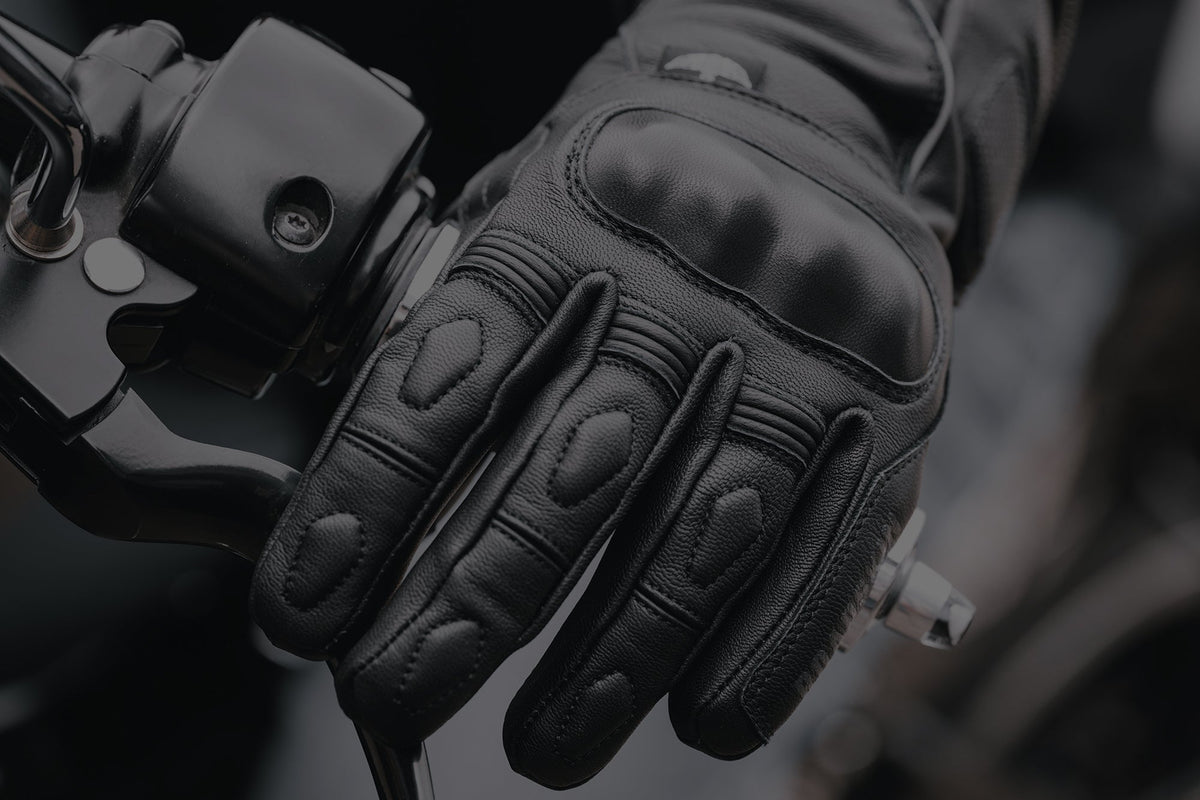
Riding through a British winter separates committed bikers from those who leave the bike in the garage until spring. If you're one of the riders who keeps going regardless of frost on the ground, your hands deserve proper protection. Cold fingers don't just feel uncomfortable; they slow your reactions on the clutch, brake, and throttle, which matters far more than most riders realise.
Choosing the right winter gloves involves balancing three competing demands: warmth, protection and dexterity. Get the balance wrong and you end up with gloves that keep your hands warm but leave you fumbling for the indicator switch, or gloves so protective that your fingers go numb after twenty minutes. This guide breaks down the main types of non-heated winter motorcycling gloves available in the UK, along with their pros and cons, so you can pick a pair that suits how and where you ride.
Why do you need dedicated winter motorcycling gloves?
Standard summer gloves are built for airflow, not insulation. Once temperatures drop below around 10°C, wind chill at speed can make your hands feel far colder than the actual air temperature suggests. According to the RAC, wind chill can make 5°C feel closer to freezing at motorway speeds.
Cold hands lose fine motor control quickly. Riders with numb fingers react more slowly to hazards and struggle to operate switches or brake levers with precision. A dedicated pair of winter motorcycling gloves is designed specifically to combat this, using insulation, weatherproofing and a closer, more sealed fit around the wrist to keep the cold and wet out.
What are the main types of non-heated winter motorcycling gloves?
Winter gloves generally fall into three categories, each with a different balance of warmth, protection and feel.
Leather winter gloves
Leather remains the benchmark material for abrasion resistance in motorcycle gear, and winter leather gloves are no exception. They're usually lined with a thermal layer such as PrimaLoft®, Thinsulate® or fleece to add warmth without adding too much bulk. The Roadskin Winter Motorcycle Gloves are made from premium goat leather and feature an HDM SuperFabric® liner for enhanced abrasion resistance, durability and protection, together with a breathable waterproof membrane that keeps your hands dry and comfortable throughout the day.
Pros:
- Excellent abrasion and impact resistance
- Moulds to the hand over time for a snug, natural fit
- Long-lasting if properly cared for
Cons:
- Can feel stiff when cold, at least until they warm up
- Not naturally waterproof unless treated or paired with a membrane
- Heavier than textile alternatives
Textile and waterproof gloves
Textile gloves, often made from Cordura ® or similar synthetic fabrics, prioritise weatherproofing. Many include a waterproof and breathable membrane, such as Gore-Tex®, sandwiched between the outer shell and the thermal lining.
Pros:
- Strong waterproofing keeps hands dry in sustained rain
- Lightweight and often more affordable than leather
- Quick to dry out compared with untreated leather
Cons:
- Generally lower abrasion resistance than leather
- Bulkier designs can reduce feel on the controls
- Membranes can degrade over time with heavy use
Insulated gauntlet-style gloves
Gauntlet gloves extend higher up the wrist and are cinched tight, often over your jacket sleeve, to keep wind and rain out. Many combine leather palms with textile or insulated cuffs for a hybrid approach.
Pros:
- Excellent wind and water sealing at the wrist
- Combines abrasion resistance with weatherproofing
- Suited to long-distance and motorway riding
Cons:
- Can be bulkier and less precise for slower, technical riding
- Higher price point than basic leather or textile gloves
- Wrist closures need to be sized correctly to work effectively
What protection levels should winter motorcycling gloves have?
In the UK, motorcycle gloves sold as protective equipment are tested to the EN 13594 standard, which covers impact abrasion, tear resistance, seam strength and knuckle protection. Gloves are rated as either KP (Knuckle Protection) certified or not; KP-rated gloves include a rigid knuckle protector that has passed impact testing.
When choosing winter gloves, look for CE-rated protection alongside the warmth features. A glove that keeps your hands toasty but offers no impact protection is not doing its full job. Ideally, look for gloves with reinforced palm sliders, knuckle armour and double or triple stitching at high-wear points such as the palm heel and fingers.
What materials should you look for in winter motorcycling gloves?
The best winter gloves combine several materials, each doing a specific job:
- Full-grain leather: Offers the strongest abrasion resistance and is worth prioritising on the palm and outer hand, where impact is most likely.
- Waterproof membranes (such as Gore-Tex® or similar): Keep water out while allowing sweat vapour to escape, reducing that clammy feeling inside the glove.
- Thermal linings ( PrimaLoft®, Thinsulate®, fleece or similar): Provide warmth without adding excessive bulk, which matters for maintaining feel on the controls.
- Reinforced knuckle armour: Usually a hard plastic or composite shell that absorbs impact in a fall.
Choose leather-dominant gloves if abrasion resistance matters most to you, for example if you ride faster roads regularly. Choose membrane-lined textile or gauntlet gloves if you're commuting through sustained wet weather and warmth and dryness are the priority.
How do you care for winter motorcycling gloves so they last?
Winter gloves take a battering from rain, road salt and repeated wet-dry cycles, so a bit of maintenance goes a long way.
- Dry them properly. Never dry gloves on a radiator or with direct heat, as this can crack leather and damage waterproof membranes. Stuff them with newspaper and leave them somewhere warm but not hot.
- Condition leather regularly. Apply a leather conditioner or waterproofing wax every few weeks in winter to keep the material supple and help maintain water resistance.
- Clean off road salt and grit. Wipe gloves down after riding on gritted roads, as salt residue can degrade both leather and stitching over time.
- Store them correctly. Keep gloves somewhere dry and ventilated, ideally not screwed up inside a helmet or pannier, so they retain their shape.
Choosing the right winter gloves for your ride
There's no single "best" winter glove, only the best glove for how you ride. Leather suits riders who prioritise protection and don't mind a slightly stiffer feel until they've warmed up. Textile and waterproof gloves suit those facing constant wet weather. Gauntlet styles suit longer motorway journeys where sealing out wind and rain matters most.
Whichever type you choose, don't compromise on CE-rated protection just to save on warmth. Cold hands are uncomfortable, but unprotected hands in a fall are a far bigger problem. If you're building out your kit for the colder months, take a look at Roadskin's range of motorcycle gloves, designed with the same balance of protection, comfort and durability that goes into every piece of Roadskin gear.
Frequently asked questions
What's the warmest type of motorcycle glove for winter?
Insulated gauntlet-style gloves are generally the warmest, since their extended wrist closure stops wind and rain from getting in, while thermal linings retain heat effectively.
Are leather or textile gloves better for winter riding?
It depends on priorities. Leather offers superior abrasion resistance, while textile gloves with waterproof membranes tend to perform better in sustained wet weather.
Do winter motorcycle gloves need to be CE-rated?
Yes, ideally. Look for gloves tested to EN 13594, which confirms they meet minimum standards for impact abrasion, tear resistance and seam strength.
How often should winter gloves be replaced?
This depends on use and care, but leather gloves ridden through winter regularly typically need replacing every two to four years, especially once the lining compresses or the outer material cracks.
Can I use summer gloves in winter with liners?
Thin liners can add some warmth, but they won't replace the weatherproofing and insulation built into dedicated winter gloves, so performance will still fall short in cold, wet conditions.
If you would like to discuss any further points on this topic of motorcycle gloves for winter use and what you should choose, then please don't hesitate to contact us.


Share:
Father-son Harley trip sets off to explore the American South
I Rode to Romania in My Roadskin Jeans (By Accident)