
Whether you’re a new biker kitting up for the first time or an experienced rider tempted by a bargain, knowing how to separate genuine protective gear from dangerous pretenders is an essential skill. Ian Wilson from Roadskin has all the info.
As the days grow longer and brighter, and a fresh new season of motorcycling beckons, you might be thinking about picking up some new motorcycle jeans or a jacket.
Sadly, some vendors sell untested, unverified clothing dressed up as a protective bike kit. They range from careless cheapskates to ruthlessly efficient con artists practised at disguising basic, uncertified garments as premium, safety-compliant clothing. The business model relies on it looking protective while quietly cutting every corner that matters.
The good news is that protective bike clothing provides a good deal of protection. It is classified as PPE (Personal Protective Equipment) because it’s specifically designed to reduce the risk of injury if a rider falls, crashes, or is exposed to hazards like debris or hot engine parts. It performs a safety function in the same way steel-toe boots do on a worksite. By law, motorcycle clothing must be tested to meet defined safety standards and display the CE and/or UKCA mark.
It is relatively straightforward to identify genuinely protective bike clothing. You don’t need to be an expert - you just need to know what to look for.
The most common tricks used to make unsafe gear look legit
-
The fake CE label. A favourite tactic is a generic ‘CE Approved’ logo with no rating, no standard number and no traceable information. Real protective gear always lists the correct EN17092 rating (AAA, AA, A, B or C) along with a proper certification label. See below for more about CE labels.
-
Decorative stitching. It might appear functional, but it often has nothing to do with the seams that are actually holding the garment together. Meanwhile, the real structural stitching is often single-row and flimsy.
-
Cheap materials. Cheap ‘leather’ that looks the part but feels plasticky; denim that’s basically fashion-grade; and thin foam pads that easily tear – these kinds of red flags suggest the gear isn’t fit for purpose.
-
Impossibly low prices. Properly tested motorcycle clothing costs money to make and certify. If a jacket is £30 brand-new, proceed with extreme caution.
The dummy’s guide to reading a CE label
CE labels are a quick way to check whether clothing is genuinely protective or just pretending.
Start with the standard number. For motorcycle clothing, you want to see EN17092, followed by a rating such as AAA, AA, A, B or C. These letters tell you how protective the garment is. AAA is the highest level, usually found in leather suits and premium textiles. AA is common for touring gear, while A tends to be lighter, more casual kit. B means abrasion protection only (no armour), and C refers to armour pieces on their own.
Next, look for the pictogram: the little rider icon. It should be clear, consistent and printed on a proper label. Beneath it, you’ll often find the certification body number, which identifies the test house that approved the garment. If that number is missing or the label looks cheaply printed, that’s a red flag.
Finally, check the armour markings. CE armour has its own ratings - Level 1 or Level 2 - and should be labelled accordingly. If the armour has no markings at all, it’s not certified.
Once you know how to read these labels, you can spot genuine protective gear in seconds and avoid the stuff that only pretends to keep you safe.
We literally dream about CE ratings, and so you can find out more on our website: Motorcycle PPE ratings and testing information – Roadskin®
Extra good safety stuff to look out for:
As well as the CE label, there are other clues that the manufacturer is prioritising your safety, such as belt loops that keep jackets and jeans connected, so that your clothing doesn’t ride up and expose your skin in the event of an accident, and high quality armour that’s included in the price of the garment or presented alongside as an add-on purchase.
Who checks that motorcycle gear is safe?
A combination of laws, testing labs and enforcement teams work together to keep substandard gear off the market.
UK PPE law requires all motorcycle clothing to meet strict safety standards and carry proper CE and EN17092 certification. Manufacturers can’t simply claim their gear is protective - they have to prove it through testing. That’s where independent test houses, known as Notified Bodies, come in. These specialist labs put garments through abrasion, tear, seam and impact tests before they can legally be sold as protective motorcycle clothing. If a jacket or pair of jeans hasn’t been through this process, it shouldn’t be on the shelves. At Roadskin, we use the SATRA technology centre here in the UK along with Intertek in Italy.
Finally, Trading Standards act as the enforcement arm. They investigate dodgy retailers, seize unsafe products and prosecute sellers who try to pass off uncertified or counterfeit kit as protective. We’ve seen this play out right in front of us in dramatic fashion. Back in 2022 at Motorcycle Live, we witnessed trading standards officers execute a raid, confiscating counterfeit shoulder protectors, clothing with misleading ‘CE’ labels and other non-conforming stock from multiple stands.
The man behind this operation was Paul Varnsverry, one of the foremost authorities on motorcycle personal protective equipment and a good friend and advisor to Roadskin.
Paul told us, ‘The single best piece of advice is this: buy the certification, not the brand. Genuine protective motorcycle clothing must be tested to European Standards, carry a CE or UKCA mark, and be accompanied by an information booklet that identifies the certification body that assessed it. If a seller can’t show you that – on the garment, not just the website – walk away. Rogue online sellers and even some shops still sell uncertified kit, but properly approved gear is easy to identify if you know what to look for.’
In conclusion, there is a robust system to help keep dodgy gear at bay, but it also makes sense for riders to be aware of the pitfalls. Check labels, ask questions and buy from trustworthy companies with bona fide reviews.
As self-proclaimed safety nuts, we welcome your questions, as nothing matters more to us than protecting our customers. We’ll always talk riders through our safety standards and procedures, and any decent motorcycle clothing company should be happy to do the same.
Motorcycle PPE ratings and testing information – Roadskin®
Declarations of Conformity – Roadskin®
About the author:
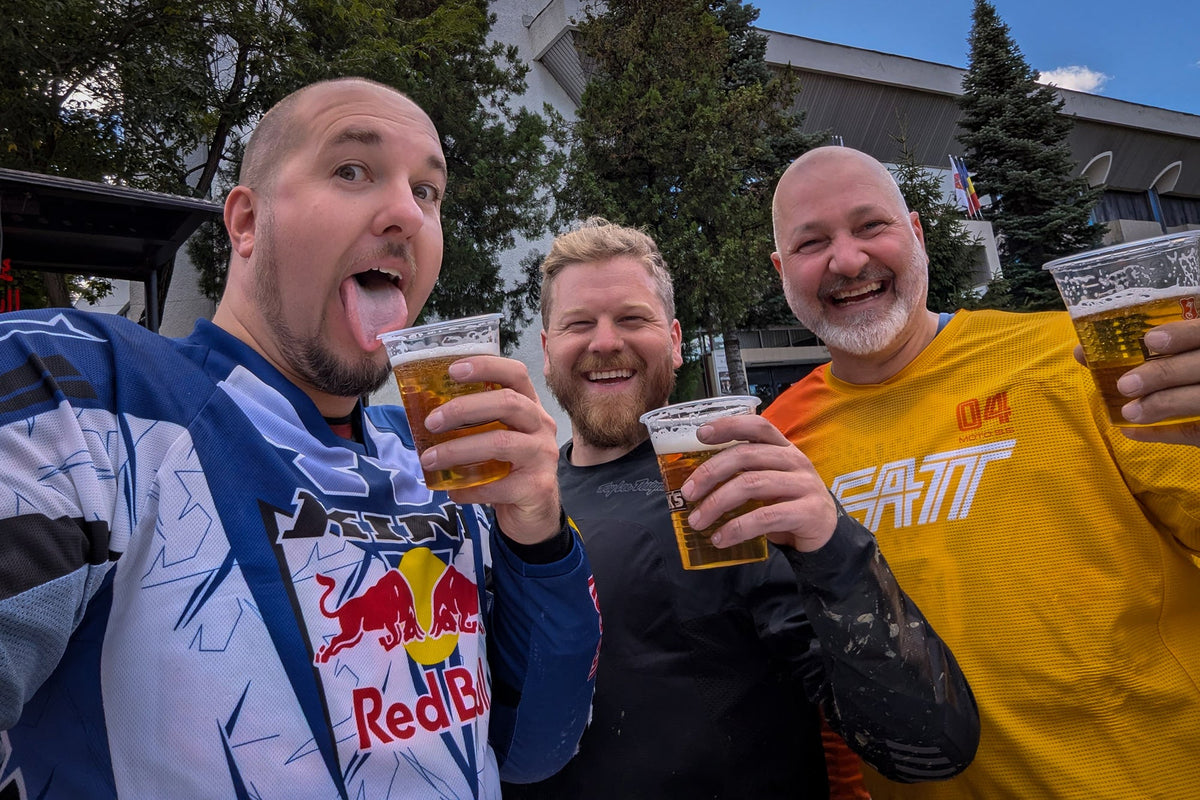
Ian Wilson is the cofounder of Roadskin, the UK motorcycle clothing brand known for protective jeans and rider-focused apparel. A lifelong motorcyclist, Ian bought his first bike at 11 and later worked as a London motorcycle courier, where he saw firsthand how inadequate traditional riding gear could be. He founded Roadskin to create comfortable, everyday clothing that still offers serious protection. An experienced off-road rider, Ian has twice completed the demanding Red Bull Romaniacs. Today, he continues to design and develop Roadskin’s products from their base in Royal Tunbridge Wells.

Share:
Motorcycle travel video and photography tips
Your Guide to UK Motorcycle Laws: Ride Safe, Ride Legal