
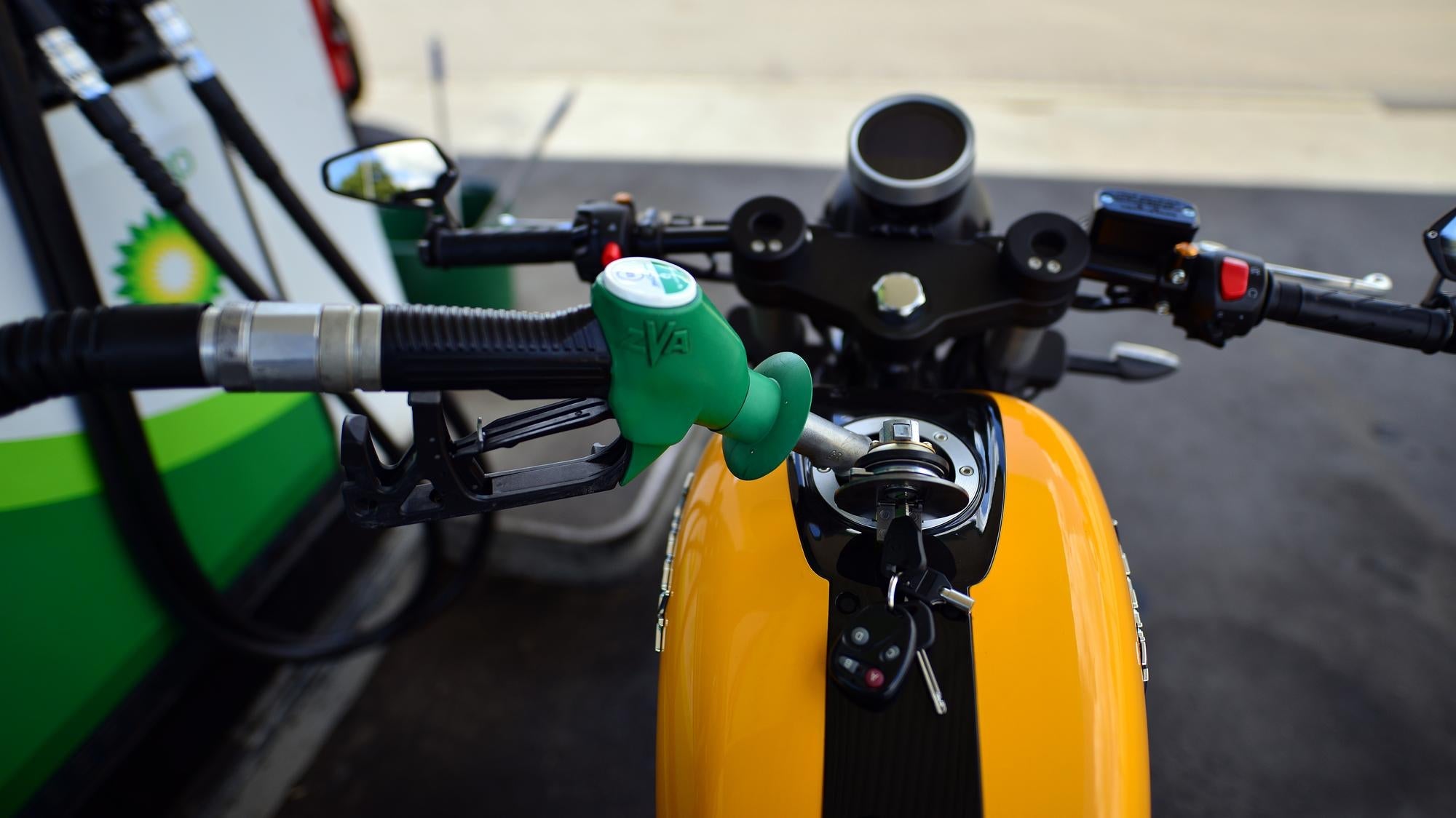
Quick answer: UK motorcyclists can cut fuel costs by keeping tyres at the correct pressure, maintaining the chain and air filter, riding smoothly with steady throttle, anticipating traffic, and shedding excess weight. Together, these habits can improve fuel economy and stretch every tankful further.
Fuel prices remain a sore point for riders across Britain. With pump costs still high in 2026, every mile counts when you are watching the gauge dip on a Sunday ride. The good news? Better fuel economy is rarely about expensive upgrades. It usually comes down to how you maintain your bike and how you ride it.
At Roadskin, we are a UK family-run company built by bikers, for bikers. Ian and Nicky have spent decades on two wheels, from courier runs around Kent to off-road rallies in Wales, and they know that a great ride is about getting the details right. Below, we have pulled together practical, tried-and-tested ways to squeeze more miles from every litre, so you can ride further, spend less, and enjoy the road more.
Why does fuel efficiency matter for motorcyclists?
Saving fuel is about more than a smaller bill at the pump, though that alone is worth the effort. Better efficiency lowers your overall running costs, which adds up fast if you commute daily or tour at weekends.
There is an environmental upside, too. Burning less fuel means a smaller carbon footprint, something more riders care about each year. And then there is range. A bike that sips rather than gulps will take you further between fill-ups, which is a real bonus on long rides through remote parts of Scotland or Wales where petrol stations are few and far between.
Which pre-ride checks improve fuel economy?
A well-maintained bike is an efficient bike. A few simple checks before you set off can make a noticeable difference to how much fuel you burn.
Tyre pressure
Underinflated tyres increase rolling resistance, forcing your engine to work harder and consume more fuel. Check your pressures at least once a week with a reliable gauge, and always when the tyres are cold. Stick to the figures in your owner's manual, not the maximum printed on the tyre wall.
Chain maintenance
A dry, dirty or loose chain wastes energy. Clean and lubricate it regularly, and check the tension matches your manufacturer's recommendation. A well-kept chain transfers power more efficiently and lasts longer, too.
Air filter
Your engine needs clean air to burn fuel properly. A clogged air filter starves it of oxygen and pushes up consumption. Inspect the filter as part of your service schedule, and clean or replace it when it looks dirty.
Spark plugs
Worn spark plugs lead to incomplete combustion, which wastes fuel and can cause rough running. Check them periodically and replace them at the intervals specified in your manual for cleaner, more efficient burning.
Oil and fluid levels
Fresh oil of the correct grade keeps internal parts moving smoothly and reduces friction. Check your oil and other fluid levels regularly, and always use the type your manufacturer recommends.
What riding techniques save the most fuel?
How you ride has just as much impact as how you maintain your machine. Small changes to your style can deliver big savings.
- Smooth acceleration and braking: Hard throttle and late braking burn fuel fast. Gentle, progressive inputs are kinder to your wallet and safer, too.
- Steady speeds: Holding a consistent pace, rather than constantly speeding up and slowing down, helps your engine run efficiently. On longer roads, cruising at a moderate speed pays off.
- Correct gear selection: Riding in too low a gear sends your revs soaring and wastes fuel. Shift up sooner and let the engine work in its comfortable range.
- Avoid excessive idling: A running engine sat in traffic burns fuel for nothing. If you expect a long wait, switching off can save more than you think.
- Anticipate traffic: Looking well ahead lets you roll off the throttle early and avoid sharp stops and starts. Smooth, flowing riding uses less fuel.
- Mind your aerodynamics: Tucking in slightly and avoiding bulky, flapping luggage reduces drag, especially at motorway speeds.
Do modifications and accessories help save fuel?
Some upgrades can improve efficiency, though they are best weighed against their cost and your riding needs.
A windshield or fairing reduces wind resistance, which helps at higher speeds and makes long rides more comfortable. Swapping heavy parts for lightweight components trims overall weight, so your engine has less to haul around. ECU remapping or a tuned fuel management system, carried out by a professional, can optimise how your bike delivers fuel. Finally, choosing fuel-efficient tyres with lower rolling resistance can shave a little off your fuel consumption over time.
How does quality riding gear affect your riding?
Here is something many riders overlook: comfort affects focus, and focus affects how smoothly you ride. A rider who is cold, fidgety or distracted is far more likely to make jerky throttle and brake inputs, the very habits that waste fuel.
A good kit selection keeps you comfortable and lets you concentrate on the road. At Roadskin, our AAA-rated Kevlar jeans and CE Level 2 armour are built so you can ride relaxed and protected, with safety at the core of every garment. As one customer, Chris, put it after a ride from Cornwall to North Yorkshire: "no tight spots, plenty of movement and very wind resistant. So comfortable, even for 3+ hours in the seat."
Because our gear is designed as modern biker clothing, you can wear it all day long; you are not fighting your clothing on a long run. That comfort translates into calmer, smoother riding, and smoother riding sips less fuel.
What else can UK riders do to save fuel?
A few final habits round out the picture:
- Fuel choice: Understand the fuel types available and use the grade your manufacturer recommends. Paying for premium fuel your engine does not need is a waste of money.
- Route planning: Plan efficient routes and try to avoid heavy, stop-start traffic where you can. A slightly longer but free-flowing route often uses less fuel than crawling through town.
- Carry less weight: Clear out clutter from your panniers and top box. Less weight means less work for your engine, so only carry what you need.
Ride smarter, spend less
Saving fuel comes down to a handful of sensible habits: keep your bike well-maintained, ride smoothly, plan ahead, and travel light. None of it requires deep pockets, just a little attention and consistency. The payoff is real, with lower running costs, a smaller carbon footprint, and more miles between fill-ups.
Comfortable, protective gear plays its part too, helping you stay relaxed and focused for smoother, more efficient riding. If you are ready to upgrade, explore the Roadskin range of AAA-rated jeans, armoured hoodies and jackets, and ride safer, further and smarter this season.
Frequently asked questions
What is the single biggest way to improve motorcycle fuel economy?
Riding style usually makes the biggest difference. Smooth, progressive acceleration and braking, steady speeds, and anticipating traffic all reduce wasted fuel far more than most riders expect. Pair these habits with the correct tyre pressure for the best results.
How often should I check my tyre pressure to save fuel?
Check your tyre pressure at least once a week and before any long ride, always when the tyres are cold. Set them to the figures in your owner's manual. Correct pressure lowers rolling resistance, which directly improves fuel economy.
Does ECU remapping really improve fuel efficiency?
Professional ECU remapping can optimise how your bike delivers fuel and may improve efficiency, but results vary by machine. It is best suited to riders who want fine-tuned performance and are happy to invest in expert tuning. Always use a reputable specialist.
Can my riding gear actually affect fuel consumption?
Indirectly, yes. Comfortable, well-fitting gear helps you stay focused and relaxed, which encourages smoother throttle and brake control. Bulky or loose clothing can also add drag at speed. Roadskin gear is designed for all-day comfort, supporting calmer, more efficient riding.
Is premium fuel worth it for better economy?
Only if your manufacturer recommends it. Many bikes run perfectly well on standard fuel, so paying for premium grades your engine does not need simply wastes money. Check your owner's manual and use the recommended fuel type.


Share:
Why Adventure Bikes Are the UK's Fastest-Growing Motorcycle Category
Ian's Return to the Red Bull Romaniacs