
Getting into biking is an amazing experience. There's a lot to think about, from choosing your first motorcycle to mastering your riding skills. While learning the rules of the road might not be the most thrilling part, it's a vital step for your safety and confidence. Here at Roadskin, we live and breathe motorcycles, so let us guide you through what you need to know about UK motorcycle laws.
Motorcycle Licences and Training in the UK
The UK uses a progressive licensing system, meaning the type of motorcycle you can ride depends on your age. Each licence level requires you to pass both theory and practical tests unless you’re riding within the limits of Compulsory Basic Training (CBT). It's crucial to have the right licence for your bike.
- AM Licence (16+): Allows you to ride a moped, scooter, or quad bike up to 50cc with a top speed of 28mph. This is a permanent qualification.
- Compulsory Basic Training (CBT): A one-day course you must complete before riding any motorcycle over 50cc. It allows you to ride a learner-legal bike (up to 125cc) with L-plates for two years.
- A1 Licence (17+): Lets you ride a 125cc motorcycle without L-plates and gives you access to motorways.
- A2 Licence (19+): Permits you to ride a motorcycle with up to 47bhp, which typically includes many mid-range bikes.
- Full A Licence (24+, or 21+ with progressive access): Unlocks the ability to ride any motorcycle with no power restrictions.
Motorcycle Insurance
In the UK, it is a legal requirement for every motorcycle on the road to have at least third-party insurance. For greater peace of mind, many riders opt for third-party, fire and theft, or fully comprehensive policies.
Insurers calculate your premium based on your age, riding experience, location, and the type of motorcycle. New riders often see higher costs, but you can potentially lower your premium by completing advanced riding courses or choosing a bike with a smaller engine. Riding without insurance is a major offence with serious consequences.
MOT and Tax for Your Motorcycle
If your motorcycle is over three years old, it must pass an annual MOT test. Riding without a valid MOT certificate can void your insurance and result in fines. Additionally, your bike must always be taxed. Failing to pay your motorcycle tax can lead to fines or other enforcement actions. The good news? Motorcycle tax is usually cheaper than it is for cars.
Protective Motorcycle Clothing Laws
With countless hours on the road, we at Roadskin never ride without full protective gear. Surprisingly, UK law only requires one piece of protective equipment: a motorcycle helmet that meets British safety standards (ECE 22.05 or the newer 22.06). It must be securely fastened and in good condition.
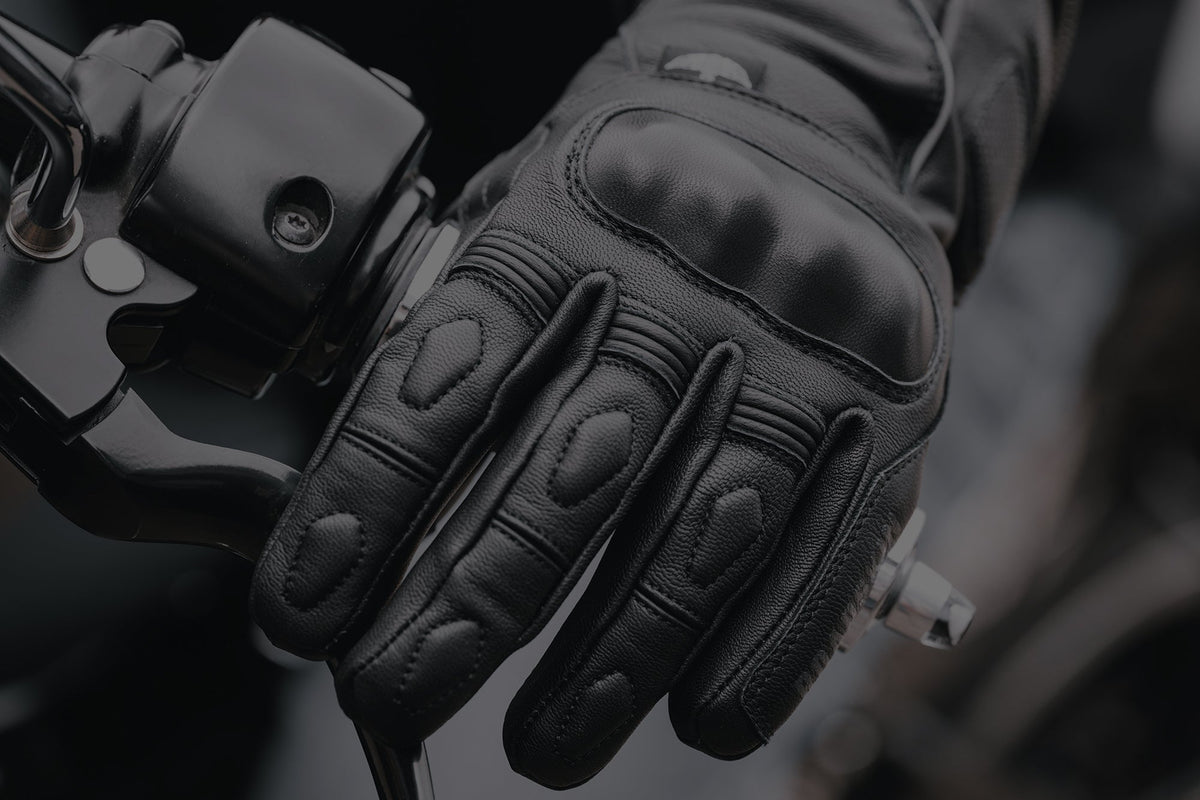
However, for your own safety, we strongly recommend wearing an armoured jacket or hoodie, armoured motorcycle trousers or jeans, high-quality motorcycle gloves, and sturdy boots. High-visibility clothing with reflective panels is also a smart choice for staying seen.
Protective motorcycle clothing is classified as Personal Protective Equipment (PPE). When buying gear, always check that it has been officially tested and certified. The ratings range from AAA (the highest level of protection) down to C. For more information, check out our simple guide to PPE ratings and our ultimate guide to motorcycle jeans.
Number Plates, Lights, and Motorcycle Modifications
Your motorcycle must have a legal number plate with the correct font, spacing, and reflective properties. Using an illegal plate can lead to fines and an MOT failure.
Lighting regulations are also important:
- Headlights and taillights must be working at all times.
- Indicators and brake lights need to be clearly visible.
- Aftermarket parts, like custom exhausts, must comply with noise and emissions laws.
If you're thinking about customising your bike, always confirm that any modifications are road-legal.
Are There Specific Laws for Motorcyclists?
While motorcyclists must obey the same general road laws as car drivers, including speed limits, there are a few rules specific to biking:
- Filtering: Moving between lanes of slow-moving or stationary traffic is legal in the UK, provided it is done safely and responsibly.
- Bus Lanes: You can only ride in a bus lane if the signs explicitly show a motorcycle symbol.
- Motorways: Learner riders on a CBT with L-plates are not permitted on motorways.
You are also responsible for ensuring your bike is roadworthy before every ride. This involves simple checks of your tyres, brakes, and fluid levels.
What are the Penalties for Breaking Motorcycle Laws?
UK authorities take motorcycle offences very seriously. Penalties can include:
- Fines for riding without insurance, MOT, or tax.
- Penalty points for speeding or careless riding.
- Disqualification for dangerous driving.
- Seizure of your bike for severe or repeated violations.
There are multiple real-life examples of police action, including a rider in Southampton who was stopped while riding a 125cc motorcycle. Police found multiple offences: no insurance, no valid MOT, an illegal exhaust and no L‑plates, despite the bike requiring them. Police seized the motorcycle immediately, and the 20-year-old rider was reported for summons.
As Mark says, "Respecting the rules is crucial for your safety and everyone else's. It's not just about the big things like insurance—the smaller details, like legal modifications, matter too. Once you've got the legalities sorted, you can focus on what it's all about: enjoying the ride."
Useful Links:
- The government's official motorcycle and moped guidance is the best resource for licensing information.
- PVA is the leading authority on motorcycle PPE.
About the Author:
Mark Kingham is co-director at Roadskin, a British company specialising in high-quality motorcycle clothing. A former dispatch rider from the 1980s, Mark uses his extensive real-world experience to design protective denim and riding gear that delivers on function, comfort, and style.

Share:
The Roadskin guide to spotting dodgy motorcycle clothing
Roadskin’s essential guide to motorcycle touring the UK comfortably and efficiently